
Whilst I was in Cape Town, I attended a conversation as part of the 2026 Cape Town Photography Festival on street photography. Broadly speaking, the topic was: ‘The street as a stage’. I wasn’t sure whether I wanted to sit through this hour-long discussion between Quaniet Richard and Patrick de Mervelec. I’d already had a look at some of Quaniet’s work and I must say that what he was doing was light years away from my own work. I’m not talking about quality, but about philosophy… I’ll come back to that. As for Patrick, I didn’t know what to expect. He doesn’t really do street photography. Which explains why I hesitated before going along…
But I went along, and I’m glad I did, because I got to meet Paul McFarland! It just goes to show that sometimes the happiest of coincidences can arise from something that didn’t necessarily look like much at first. The discussion began with very few people present. There must have been about ten of us in the room. I think Paul and I were the only ones who didn’t know the two main speakers personally. For the others, they were friends. What stood out from the conversation was that Quaniet did do most of the talking. That was the impression I got. He was keen to tell us about all sorts of things, including his vision of street photography. He also spoke at length about the @humans.of.capetown group, which was modelled on @humans.of.ny and is gaining more and more followers. As a result, photowalks are organised very frequently in Cape Town, where lots of photographers get together to take photos on the street.
I’ve already told you about those famous street photographers who hang around certain spots in Cape Town. These blokes who take photos of you in an urban setting and try to sell you the pictures or get you to take part in a little impromptu photo shoot in the street. I think this is a literal definition of the term. Street photographer: I take photos in the street. Basically, I call it taking street portraits or doing a photo shoot in the street. To me, that’s definitely not street photography!
The problem is that this confusion is reflected in Quaniet’s philosophy on street photography. As I listened to him speak, I realised that we didn’t share the same definition of what street photography was. For Quaniet, when out on the street, it was essential to have people’s consent before photographing them. The law required it, and he always spoke to the people he wanted to photograph to find out their stories. That’s when I began to wonder whether, ultimately, Quaniet hadn’t equated what the lads on the street were doing (our so-called street photographers) with street photography.
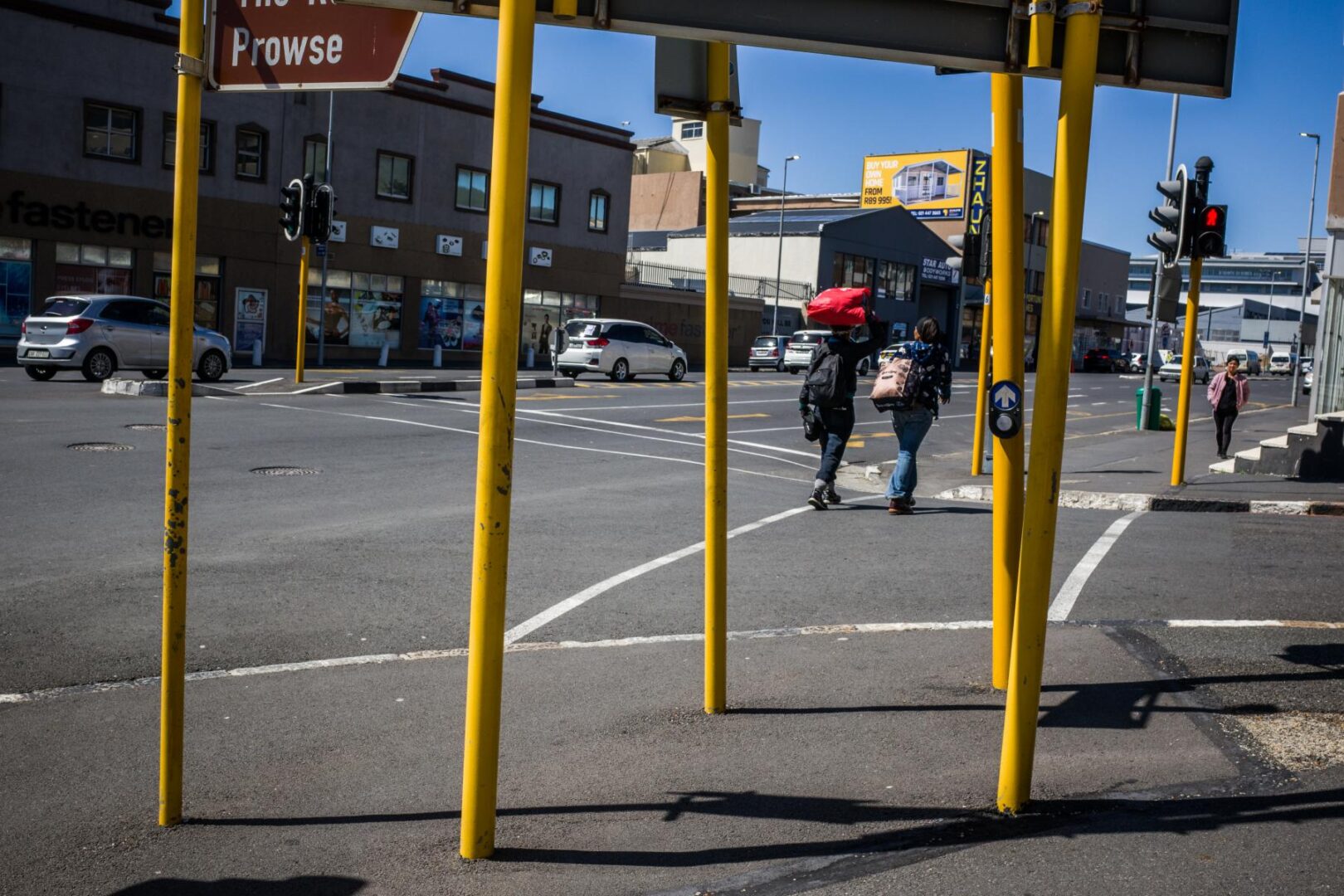
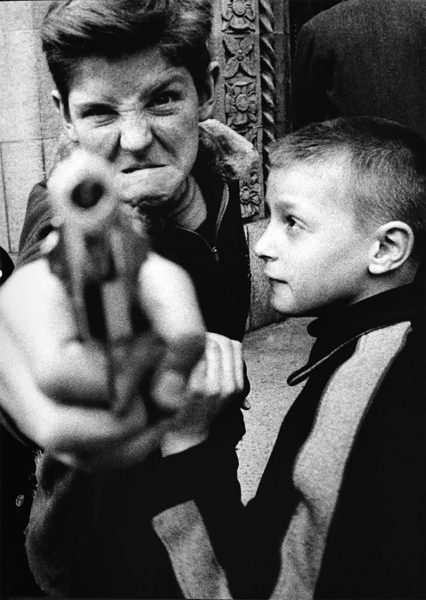
I’ve tried in the past to come up with a definition of what street photography is. I don’t think I’ve managed it. It’s difficult to define precisely what it is. On the other hand, I have no trouble at all saying what street photography isn’t! And taking street portraits the way Quaniet does is absolutely not street photography! It makes no sense. He takes photos of people in the street, but that’s by no means street photography! Some might argue that there are plenty of great street photographers who have also taken street portraits. William Klein’s famous photo of the boy pointing his gun at the lens is one example.
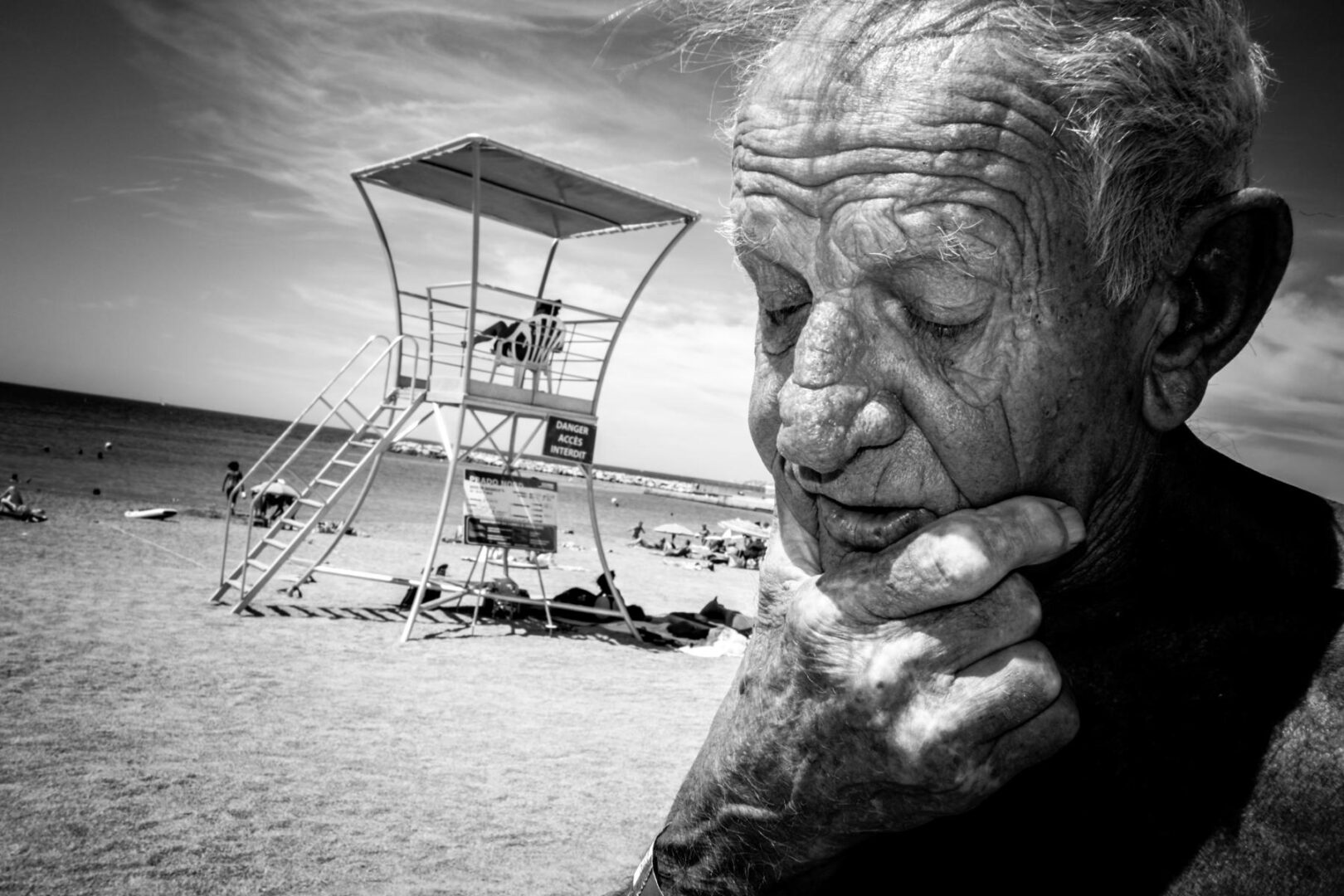
Even I’ve taken that sort of photo. My photo of the man on the beach in Marseille is a street portrait. I approached this man, had a chat with him and asked if he minded me taking a few photos. Having got his permission, I managed to capture a moment without making him pose. But it’s still a street portrait.
OK, but what’s the difference between what I’ve done here and what Quaniet does? There isn’t one. But I do know the difference between ‘taking a street portrait’ and street photography! The problem here is that Quaniet is telling his @humans.of.capetown group that what he’s doing is street photography, and I completely disagree with that. I’m not here to set myself up as some sort of arbiter of what is and isn’t allowed in street photography. But I believe it’s essential to know and study what the great street photographers before us have done. And education comes from books, not social media! Yesterday, just before I went to bed, YouTube suggested a video entitled: Street Photography Top Selection August 2026. I’ll put the link here.
Well, it might just be my opinion and it certainly won’t be shared by everyone, but it’s clearly rubbish! I didn’t even watch the video to the end because it was so disheartening. It’s just one example, but I’m convinced that YouTube is full of this sort of content. The problem is that, with social media, people just copy what they’re told constitutes a ‘good’ photo. And it’s never-ending. I’d already written about this in a blog post back in 2019: ‘Social Media is killing Street Photography’. That’s why I didn’t want to sit in on the conversation between Quaniet and Patrick at the start. Even during the Q&A session at the end of the conversation, I was itching to challenge them on the subject, but I held back because it was their moment (they both had an exhibition at the festival) and I wasn’t there to spoil it or stir up controversy over the fact that I don’t consider them to be street photographers. But I didn’t go to the opening of their exhibition, as I don’t see eye to eye with their work. The aim of writing this blog isn’t to disparage the work of other photographers. Please don’t misunderstand my intentions. I just want to clarify a few things to avoid any misunderstandings. Take street portraits if you like, but don’t call it street photography.
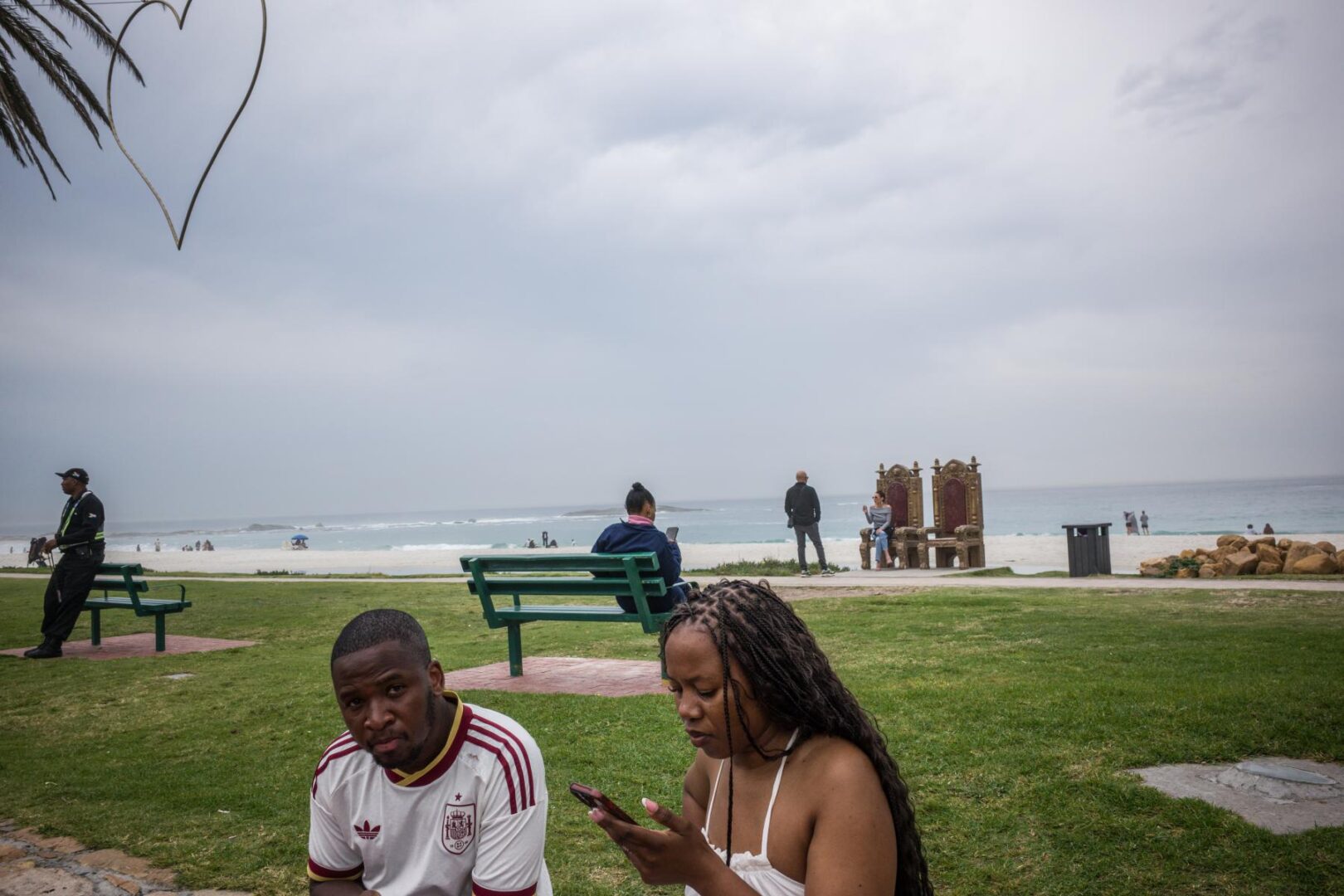
All the photos were taken with the Ricoh GR IV.

Absolutely. I endorse what you wrote. I wish you nice light. Cheers.
Hello Vasco, we’re back to the literacy thing. You have to know your subject if you want to talk about it otherwise you just mislead people in the wrong direction. Nothing wrong about making street portraits. Not really my cup of tea. Do it if you like it, but don’t fool people by naming it street photography…
Agree 100%. Skimmed through that video, also not our perception of Street Photography. Some crap in that for sure, the nearest is the guy with the horse (1:07). That said it all looks candid at least, but endless photos of people walking into a shaft of light! I don’t think we can define Street Photography objectively, only what we like or dislike.
As I said, it’s difficult to agree on a definition. But we can have a rough idea of what it is. I would say that to me, street has to be straight, candid, unposed.