
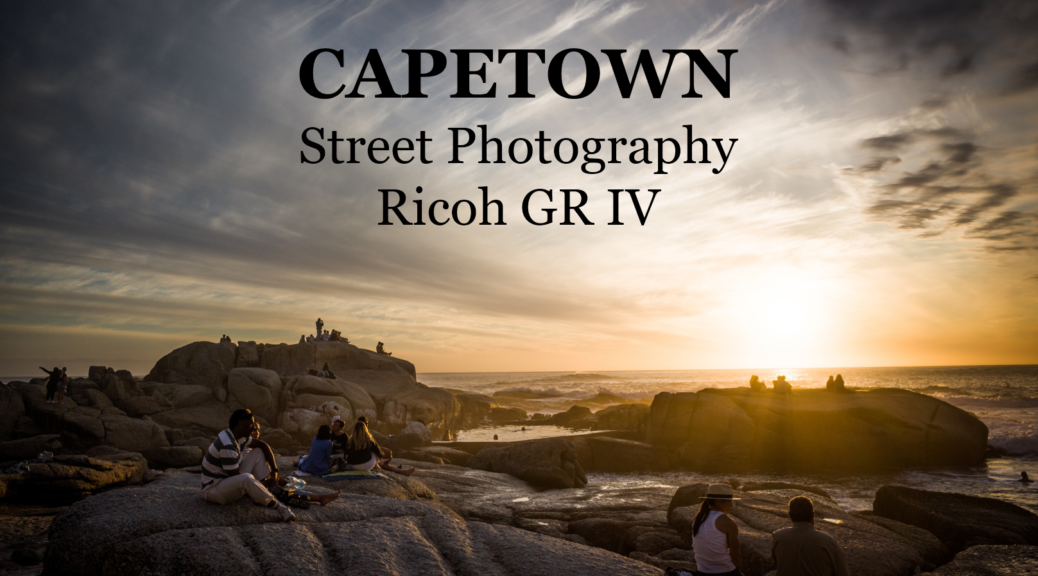
I’ve just spent 15 days in South Africa. On my own, without my wife or children. Why? The first week was spent on English lessons. It’s part of my job to maintain a good standard of English. I’d decided to extend my stay by a week to explore the Cape area a bit. Yes, I forgot to mention it, but I only stayed in Cape Town. I’d planned to stay there to do a bit of street photography. Yes, you could say I’m a lucky chap to be able to treat myself to a whole week just for myself.
The last time I had an experience like this was at the end of 2019. Gwen and the children had moved to Réunion, and I had to stay on in mainland France for a while longer for work reasons. I’d managed to pop over to Rome and had also stayed at a friend’s house in Marseille. Since then, I’ve always travelled with my family – whether to South Africa, Mauritius, Thailand, Vietnam, Nosy Be or, more recently, Malaysia. On almost all of these trips, I’ve been able to do some street photography by taking some time out for myself whilst the others wanted to head back to the hotel to rest. But this time, I was in Cape Town on my own! I could go out whenever I wanted. Visit the same places over and over again, just as I fancied. In short, total freedom.
The first week, however, I was tied up with English lessons, which took up a good part of the day. I started at 8.30 am and finished at 3.30 pm. But even then, I managed to make the most of the mornings and also of a few hours before heading back to the hotel. When I found out I was going to be spending several days in Cape Town, I tried to track down some local street photographers. Several friends had already warned me about the city, which is very beautiful but rather unsafe. As I was planning to spend quite a bit of time wandering the streets, it worried me a little, and I thought a local contact would be useful for advice.
I remembered a photographer from my Facebook days who, I thought, was South African and lived in the Cape area. A certain Mac Farlane. I started searching for him on Google but couldn’t track him down… I did, however, try Googling ‘Street Photography Cape Town’, in the faint hope that I might come across him or other street photographers. But I have to say I didn’t find anything. I used my wife’s Instagram account to carry out similar searches. I was a bit luckier and came across two photographers: Desmond Painter and Quaniet Richard. With the first, we made a vague connection, but I never heard from him again. Too bad… As for Richard Quaniet, I didn’t want to get in touch with him because, having looked at his work, it didn’t match my idea of street photography at all… Whilst doing my research, I also came across some strange stuff. It was on YouTube. When I tell you I’ve been researching street photography in Cape Town, I’m not messing about! I’ve gone to great lengths. I saw videos from Cape Town showing people armed with SLR cameras standing in very busy spots, taking photos of people in the street and offering photo shoots right there on the street. It’s up to you whether you accept the shoot or not. The photographer then sends you the photos they’ve taken, in exchange for a few rands, of course. I don’t know the rates, but in the videos, the lads seemed to be saying it paid quite well! I saw a few of them during my stay in Cape Town. In the videos, the lads say they’re doing street photography…
Other videos or street photographers I’ve come across only take portraits of people in the street, and very often photos of homeless people or wannabe gangsters…I invite you to try doing a search for yourselves and you’ll see what I mean.
All this to say that I was venturing into uncharted territory and was a bit apprehensive because I know how complicated it can be to do street photography on Réunion Island, let alone in an African country that’s rather poor and quite unsafe…
That’s why I spent my first few outings in fairly mainstream places – namely, the tourist spots. It worked out perfectly: the Malaysian neighbourhood of Bo Kaap was just 100 metres from my English language school. I went there very early in the morning before lessons and even afterwards. I took some lovely photos there and even got to know some of the locals who spent their late afternoons playing dominoes. They were all members of the Bo Kaap Muslim community, as I learnt from people who were very involved in the local area. I had a bit of a chat with them about how the neighbourhood had developed and the changes they’d seen take place, as they’d been born and had always lived there. I found it very interesting. I was hanging about there because it was a very photogenic neighbourhood, but I was also interested in the neighbourhood itself. That’s how I got to know a pensioner called Sadik. He offered to drive me around to Kalk Bay, Hout Bay, Muizenberg, Simon’s Town, Camps Bay… Basically, to act as my guide for a whole day! I asked him how much he’d charge for all that. 1,200 rands in total. That’s about €60. I know the usual rate is over 3,000 rands…
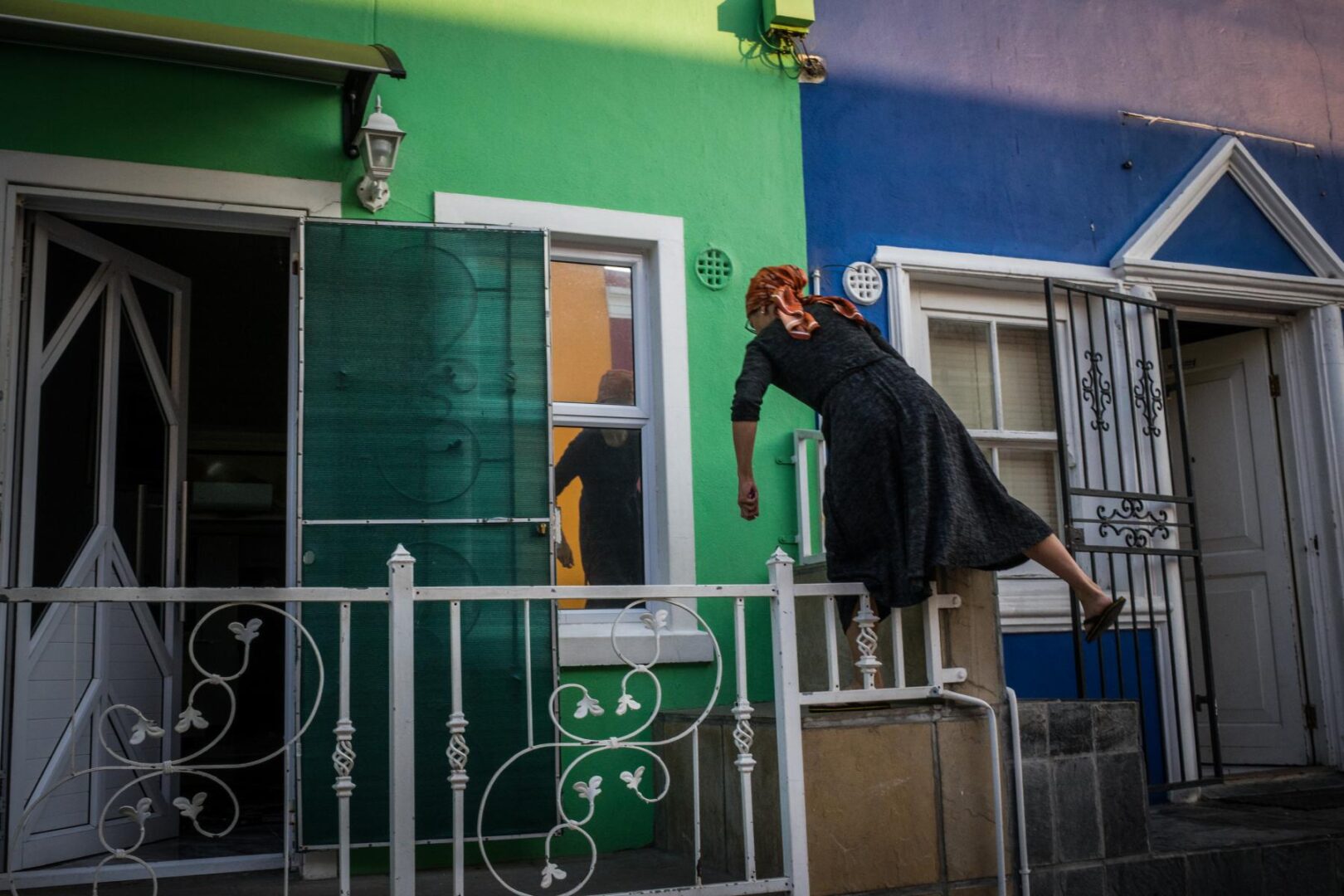
All this to say that I played it safe at first because I was a bit apprehensive about being alone on the streets of Cape Town. During the day, in the city centre, I don’t think anything can happen to you because there are security guards on practically every street corner. I think the city is keen to ensure that most visitors feel safe. Above all, they don’t want to scare them off… . Because that would be a disaster! What really struck me was the number of homeless people and beggars on every street. You’re approached by beggars very frequently. Children, women, men, drug addicts… It’s never aggressive, but it’s quite unsettling when you’re not used to being confronted with that sort of thing. I was warned about this. Most of that money goes towards fuelling the drug trade. They ask you to buy them something from the local shop. What happens next is that they go to the shop to sell back what you’ve bought for them in exchange for cash. Of course, the shopkeeper takes a cut. And there you have it – cash for drugs…
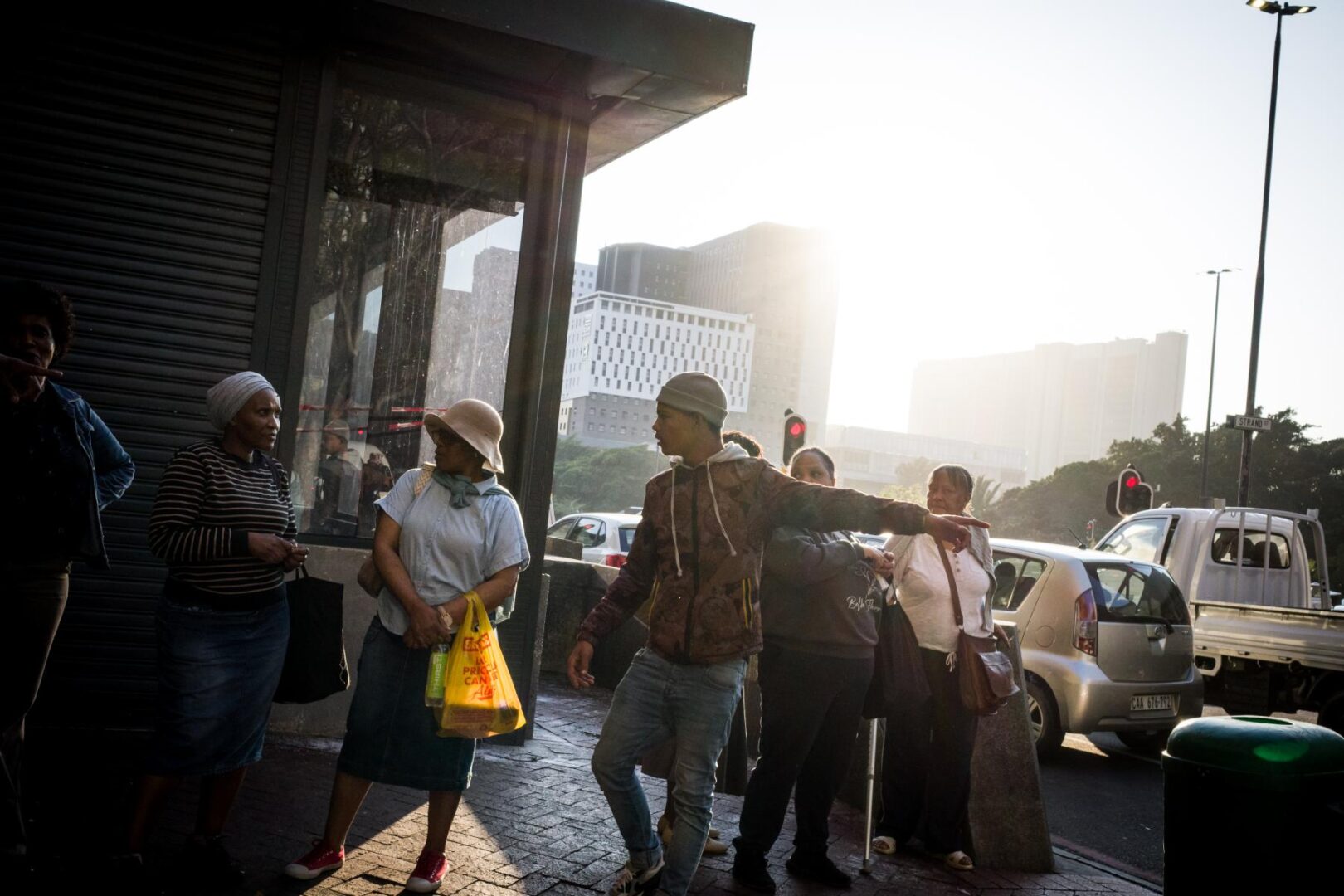
During the day, I told you it’s fairly safe, but you still need to keep a close eye on your personal belongings. At night, it’s a different story. It was made very clear to me that it’s a no-go zone. If you need to go to a restaurant or to a friend’s house, do so by car or Uber. Don’t even trust taxis! The only time I found myself out and about after sunset, I took an Uber back. During my second week in Cape Town, I tried to be a bit braver by venturing around Grand Central Station, which was teeming with people coming from the suburbs and even the townships, all heading towards the city centre. I could really sense that I was on the border separating two different worlds. I’d spotted a flight of steps leading up to a market above the station, and loads of people were heading that way, so I thought I’d give it a go. Armed only with my Ricoh GR, I figured I’d go fairly unnoticed. At the top of the steps, a woman selling fruit asked me where I was off to. I told her I was just going for a wander, and she asked me to turn back. She told me that the area was very dangerous and that I should go back to the other side of the city. She looked me up and down and said, ‘Look at the way you’re dressed, look at your bag…’ You must be wondering what I was wearing? I’ve attached a photo of me taken by a mysterious photographer.
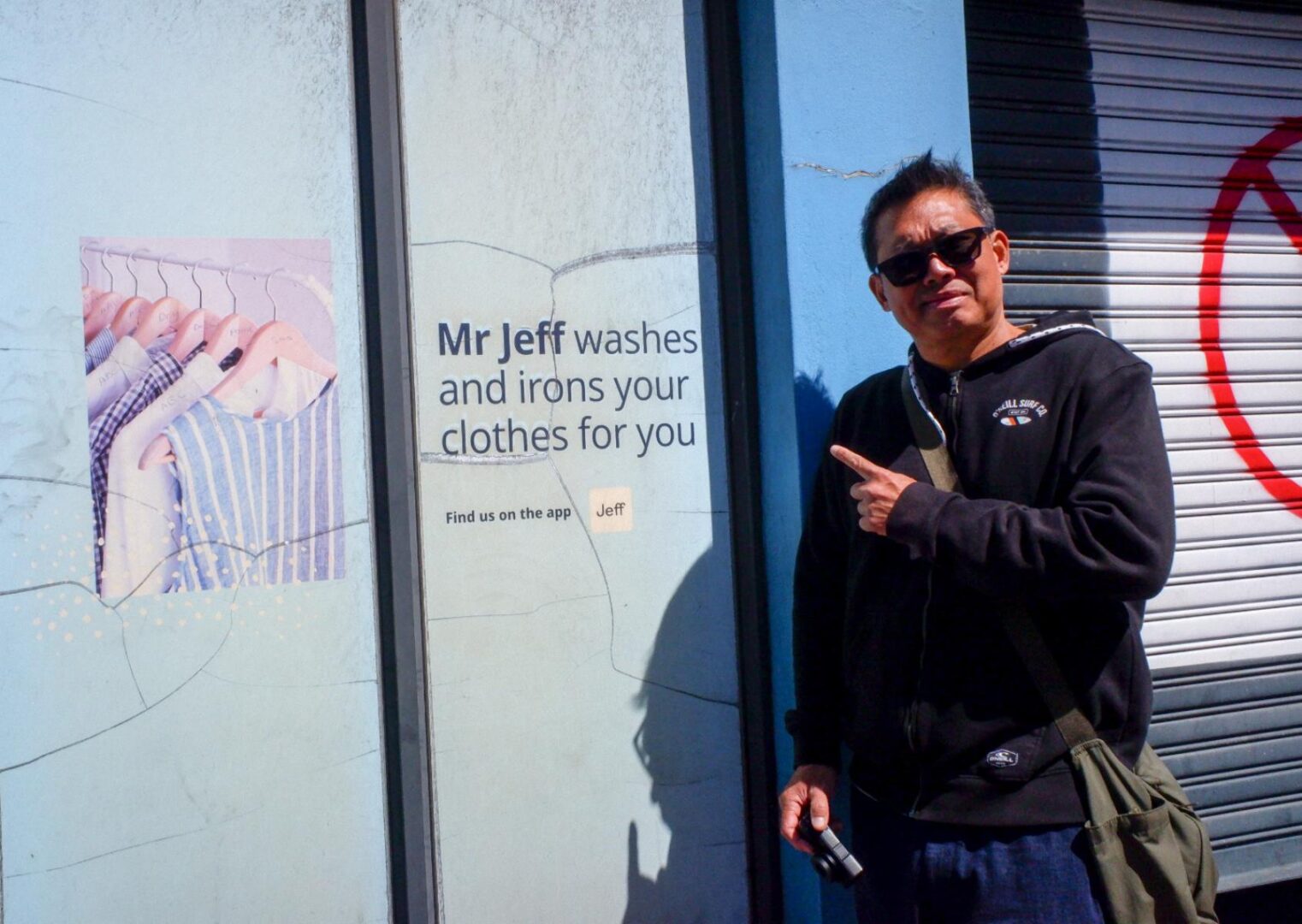
See? A pair of jeans, a black hoodie, a khaki shoulder bag. Yep, but the bloke’s Asian! What helps in Asia didn’t help here. I came across very few Asian people in Cape Town. I took the lady’s advice and went back to the ‘safe zone’… Gwen had also asked me not to take any risks and to come back in one piece. I have to admit that I tried again to go there with that famous, mysterious photographer, but it was the same story: people very kindly made it clear to us that we shouldn’t go there because it was very dangerous. Even the taxi companies that take people from the townships to the city centre advised us against going where we wanted to go… I wanted to photograph a slightly more raw side of Cape Town, but I had to make do with the safer areas. I could have taken more risks and gone there anyway, but sometimes you have to know when not to cross the line. And you know what? There was already plenty to do in the ‘safe zones’!
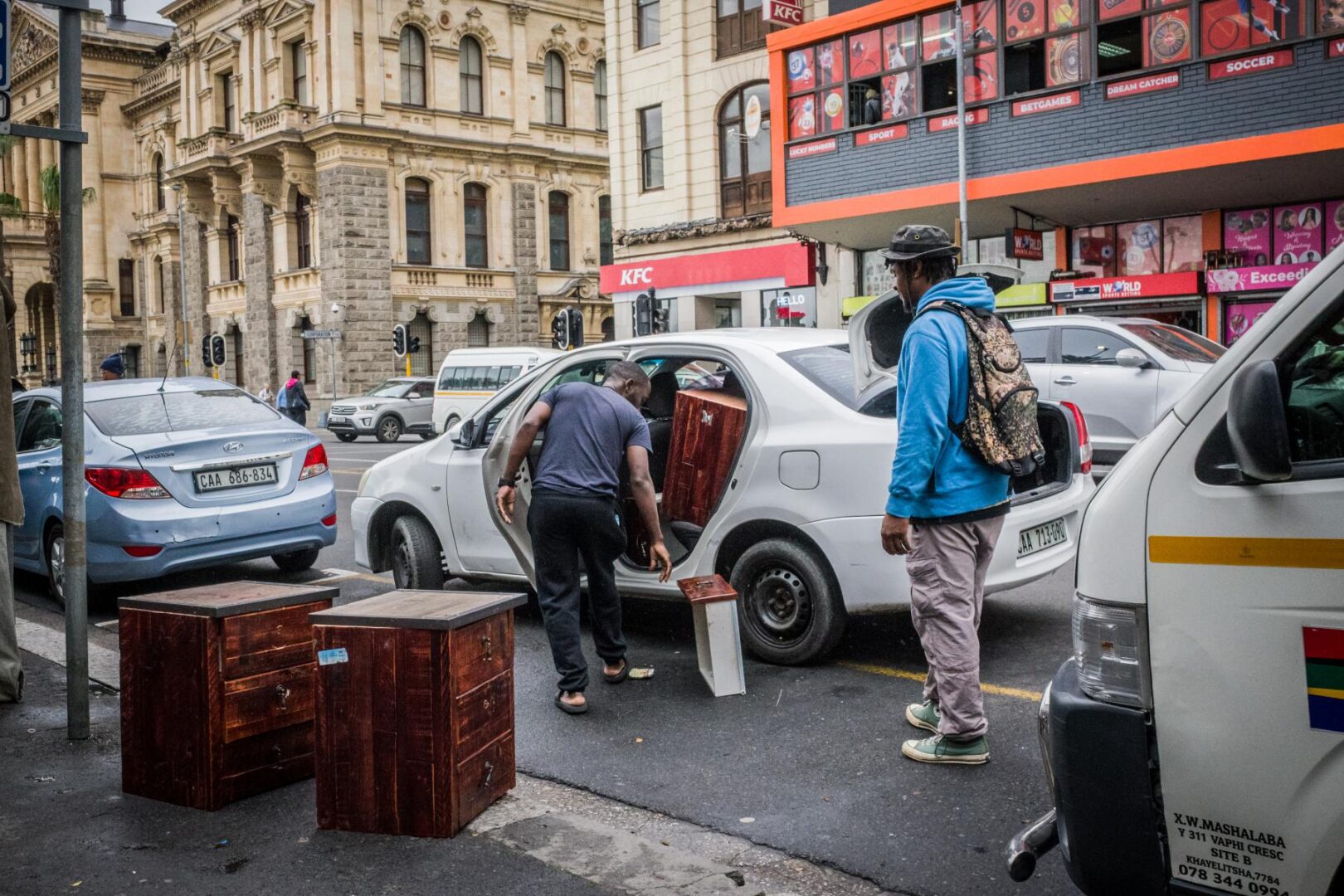
So who is this mysterious photographer who took my photo?
Let me start by telling you how I met him. I’d heard that my stay in Cape Town coincided with the city’s second annual Photography Festival. There were numerous exhibitions taking place all over the city, and there were even small meet-and-greet sessions with photographers taking part in the festival. So I went to a talk between Richard Quaniet and Patrick de Mervellec, who were exhibiting this year.
Just before it started, I found myself at the Leica stand – which, of course, is sponsoring the festival – and it turned out that Patrick de Mervellec had done some work for the Leica Foundation. I was joking with a bloke at the stand, saying I didn’t own a Leica because I valued my two kidneys too much! He asked me what I shoot with, so I pulled out my Ricoh GR IV, and he showed me his Fujifilm XF10, which was all battered and had bits missing. I told him I really liked that camera and that I regretted selling the one I used to have. One thing led to another, and we ended up talking about the Ricoh GRD IV, and the bloke thought I knew quite a bit about that old camera. At one point, the bloke looks at me and asks if, by any chance, I might be a certain Jeff Chane-Mouye?? I’m quite surprised that he knows my name, and then he tells me his name is Paul McFarland! The famous photographer I’d been searching for in vain before coming to Cape Town!!!
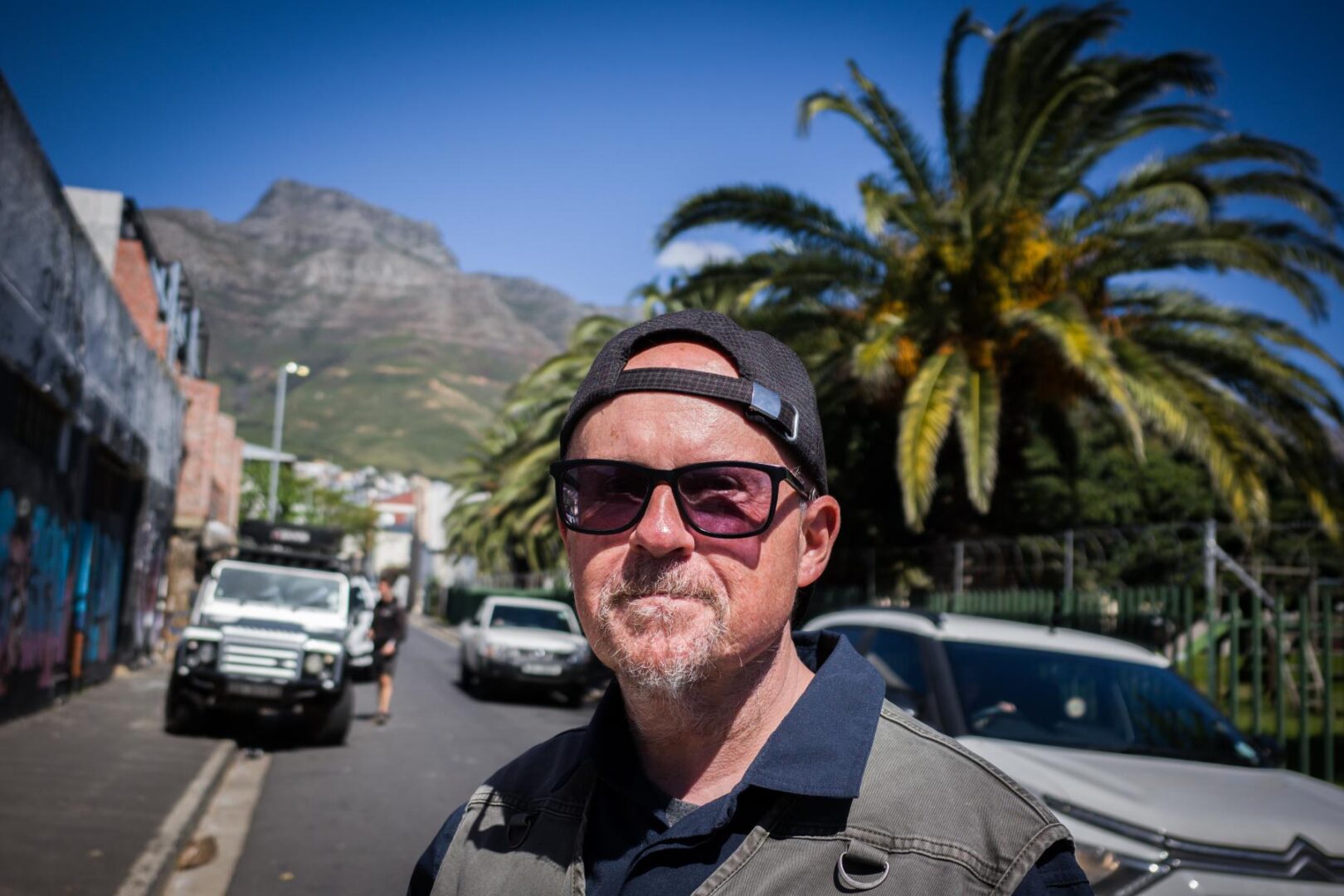
It really is an unlikely encounter and I’m in shock, but absolutely delighted to meet him. We sit in on the discussion between Quaniet and Patrick, which lasts just over an hour. And on the way out, we pop in for a coffee in a church. Yes, you read that right. As they can no longer maintain the premises, churches are now hosting cafés or jazz concert venues… We stay for quite a while, chatting about street photography and this happy coincidence. I learn that I’d got it wrong and that Paul isn’t South African, but Irish. He lived in Paris for a while, where he met many photographers I know: Philippe Blayo, Elizabeth Char and even Viktor Borst. I knew all these photographers back when I was still on Facebook. But I haven’t heard from them since I cut myself off from all social media. He’s still in touch with some of them, who even remember me! How long did I spend on there, I wonder? A bit over a year in total on Facebook and Instagram. Mind you, I was such a bit of a hothead that I’m bound to have left my mark!
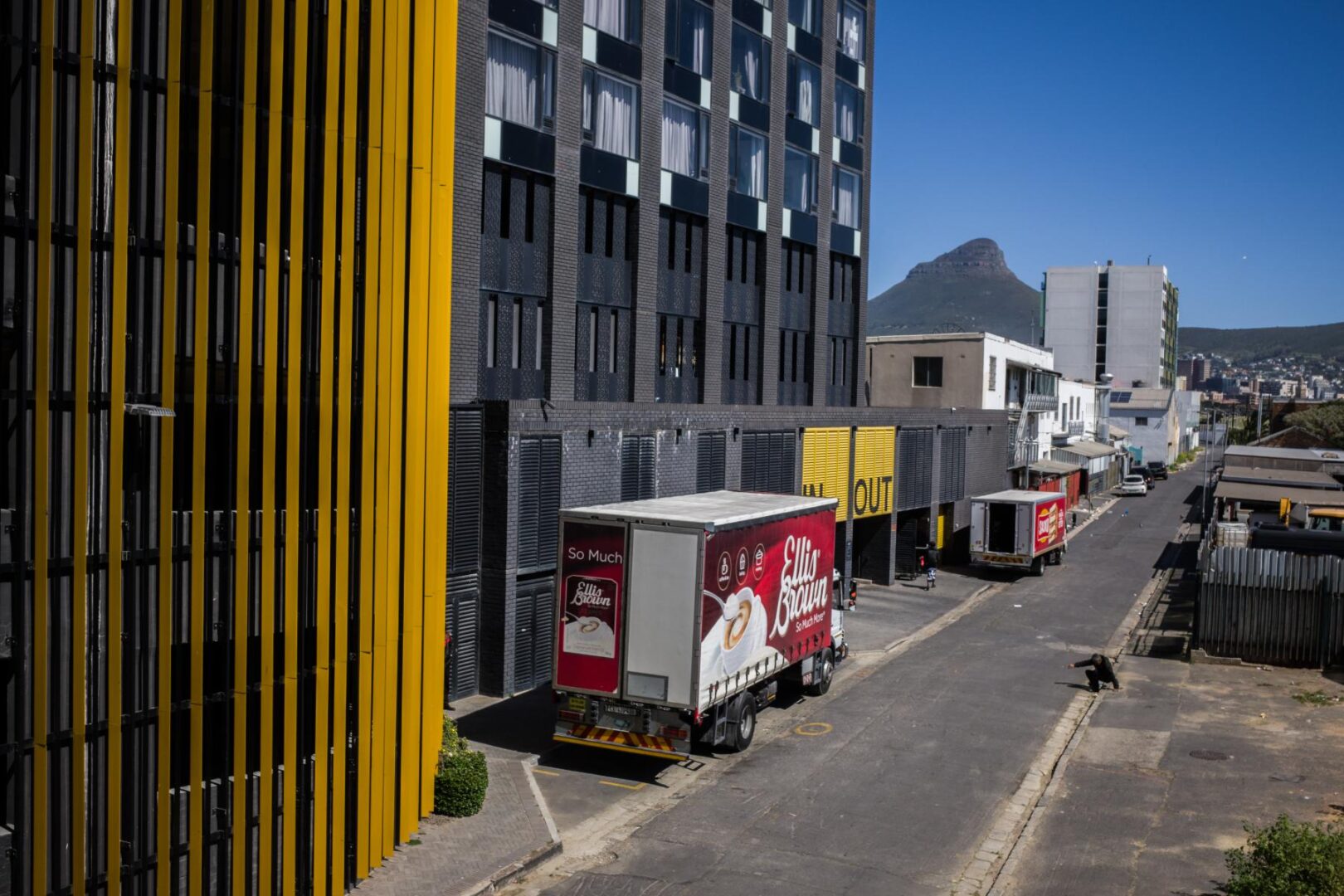
I suggested to Paul that we meet up again just before I left, just to pop into Cape Town for a bit to take some photos. It was with him that we got turned away yet again whilst trying to get to the market on the roof of the railway station. We ended up taking the train to the Woodstock neighbourhood. It used to be a bit of a rough area but is starting to gentrify, with quite a few little cafés and artists’ studios popping up. We had a bit of a walk along a wide avenue and, to be honest, it didn’t strike me as all that ‘hipster’. I found it rather ‘raw’ and lovely to photograph. There were quite a few people hanging about in the street, but as there were two of us and we were chatting as we walked, nobody approached us. I could walk there on my own, although I’d be very cautious because, as is often the case in Cape Town, you can sense a certain tension in the air. Perhaps I feel that way because I’m not black. I’m Asian, and it’s as plain as the nose on your face that I’m not one of them. And in Woodstock, unlike in the city centre, there are no security guards…Paul and I agreed that street photography is generally a solitary pursuit, but I really enjoyed hearing his thoughts whilst out on the streets and seeing what caught his eye. Paul places a great deal of importance on details on the street, which I don’t necessarily do. We talked at length about our views on street photography and found we agreed on many points, if not all of them. I learnt that Paul had won a Fujifilm X100V in a Fujifilm competition in South Africa, and I simply can’t resist sharing his photo with you – it’s absolutely stunning!
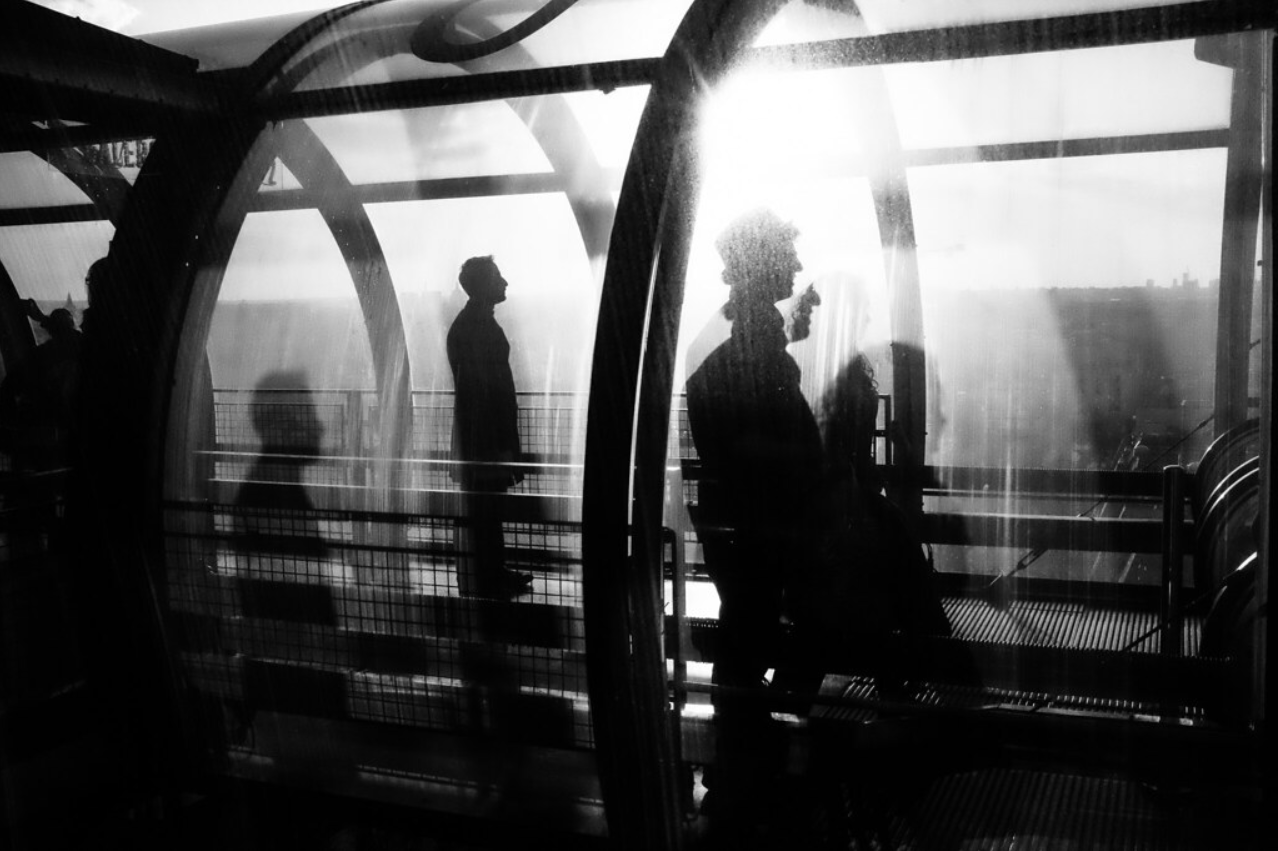
Paul is a really excellent street photographer and incredibly passionate about his work. We share a certain preference for a rather old-school style of street photography. He shoots almost exclusively in black and white, and in quite a few of his photos, I detect a touch of Trent Parke. I’d encourage you to check out his Flickr gallery to see what I’m talking about. His account’s a bit of a mess, and I have to say his work isn’t particularly well showcased – which is a shame, because there are some truly brilliant photos there if you take the time to have a proper rummage!
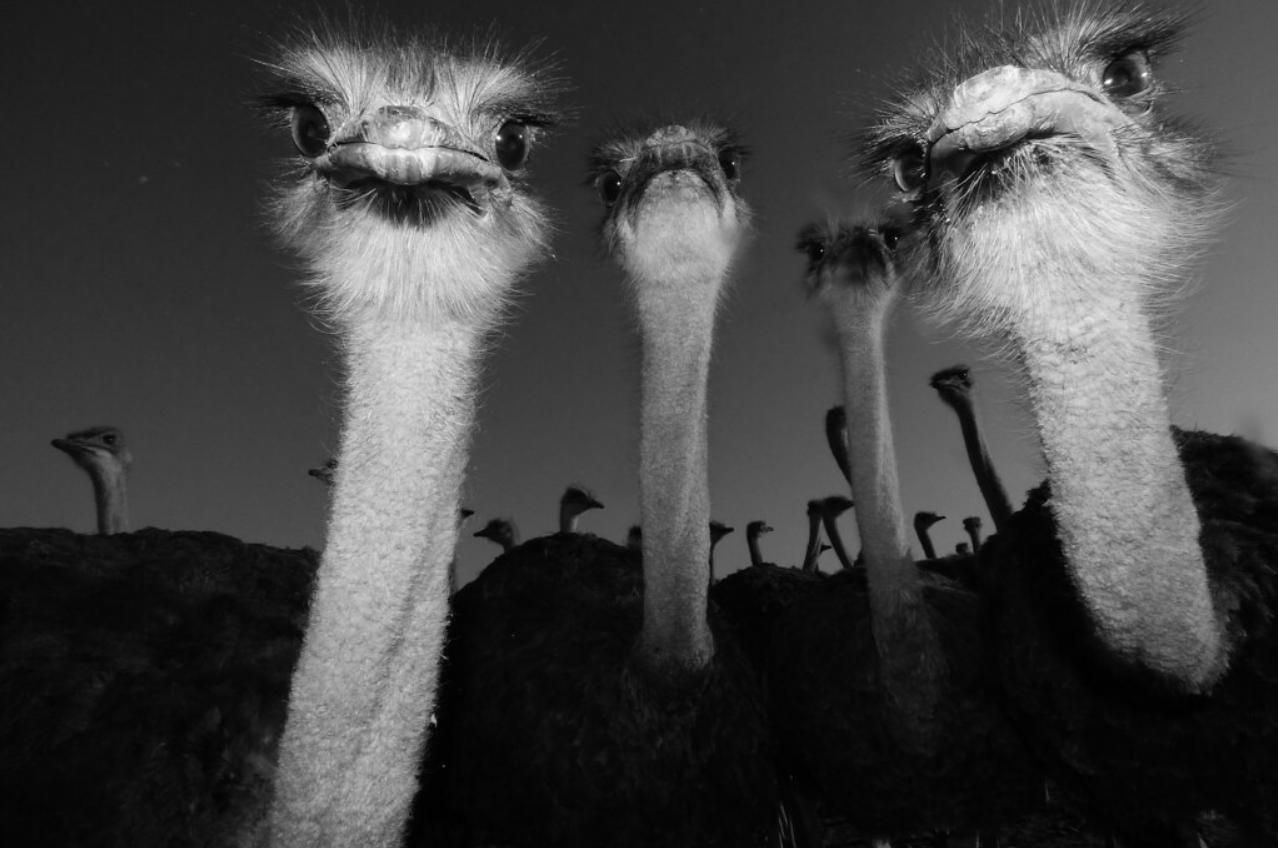
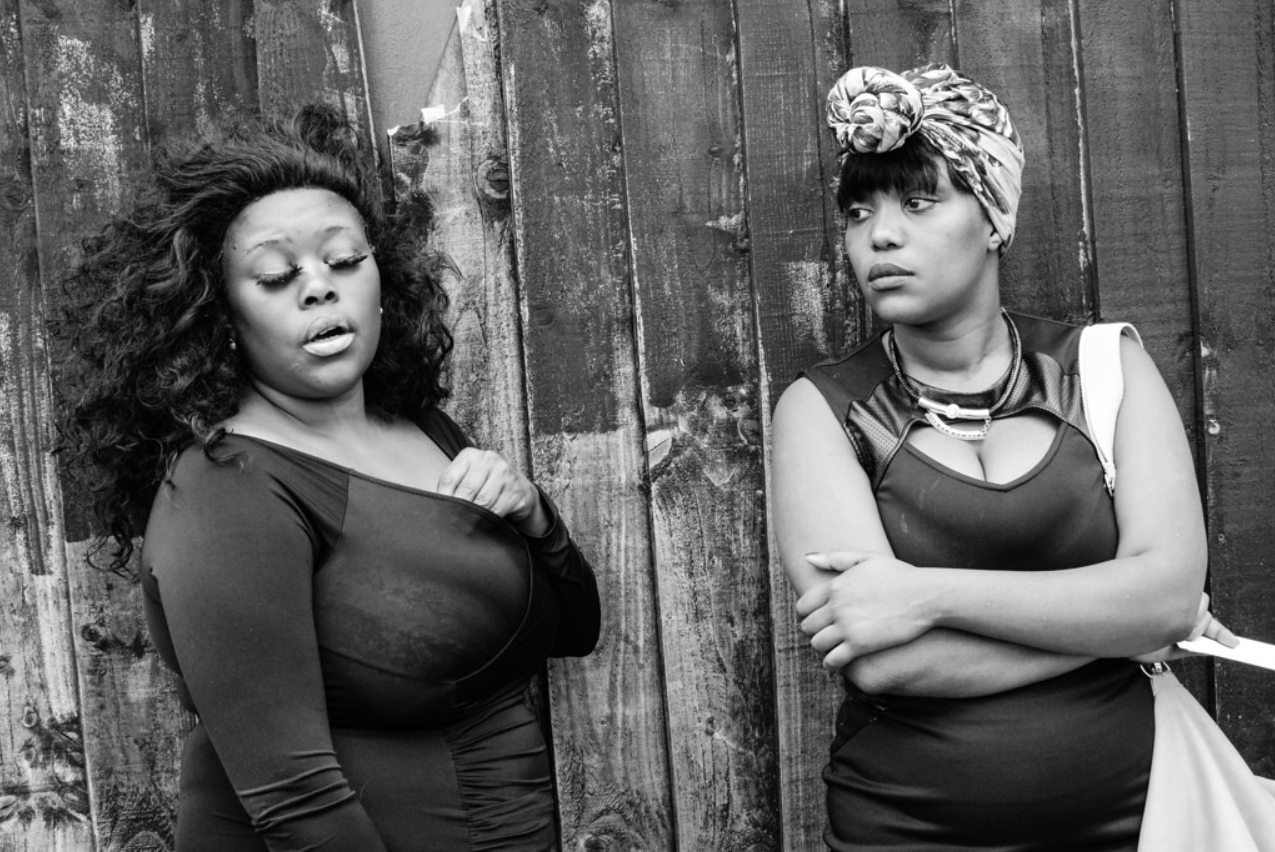
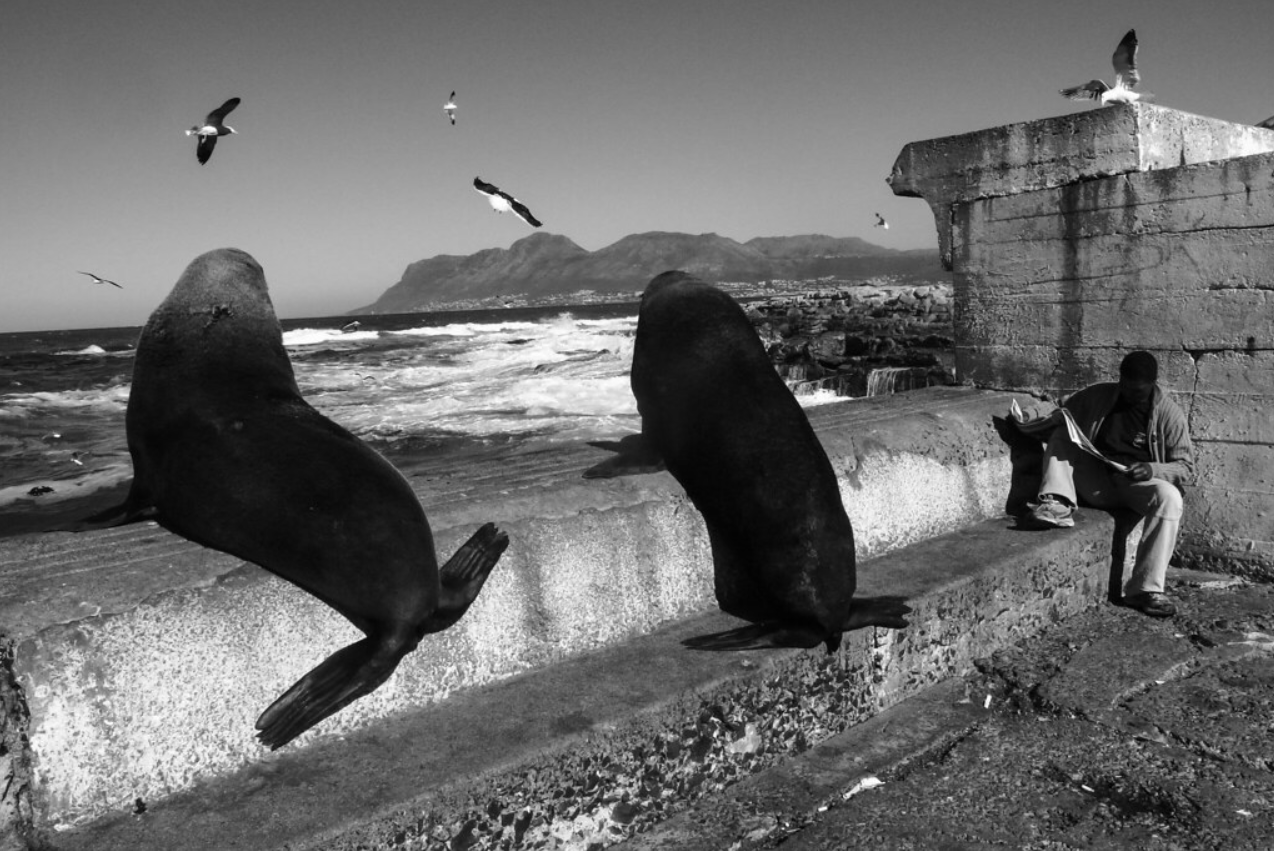
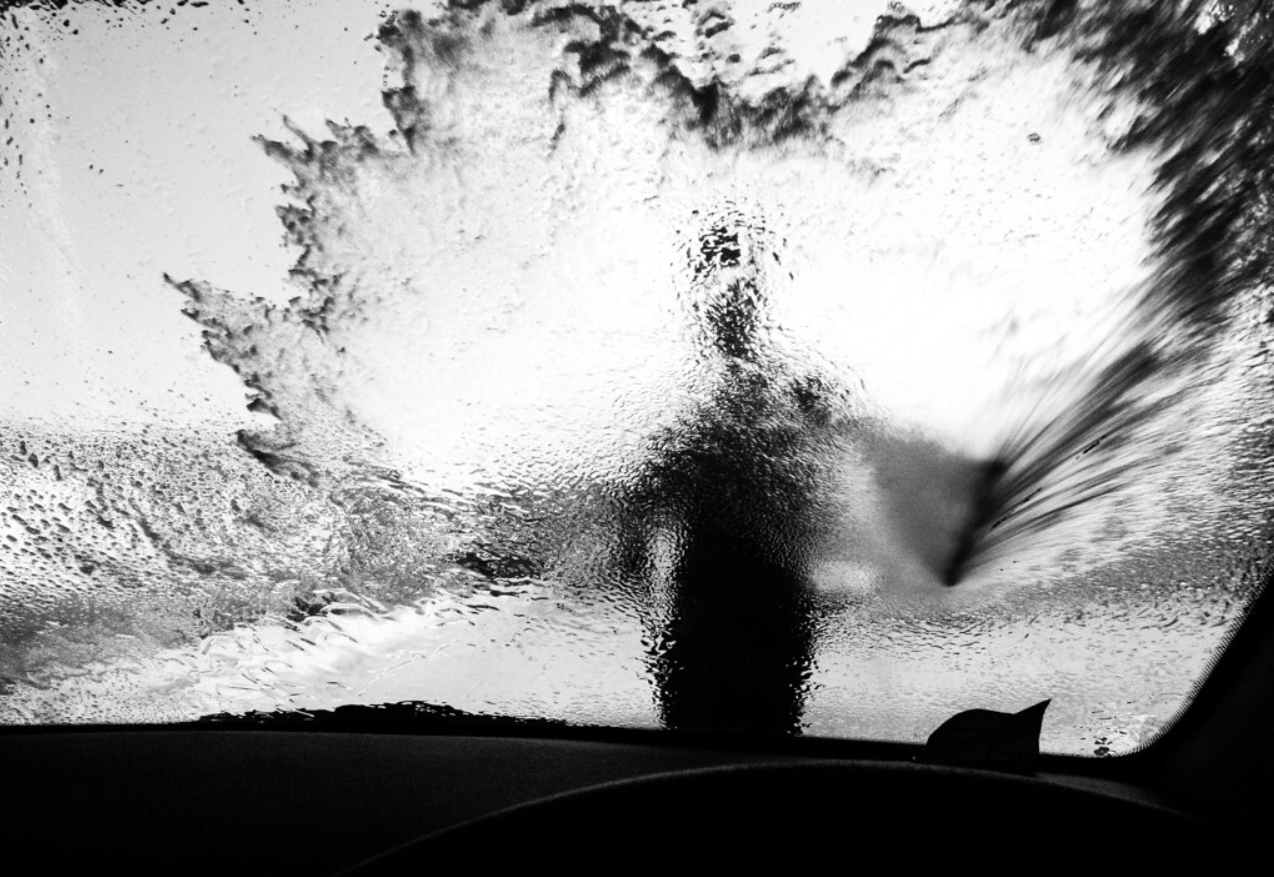
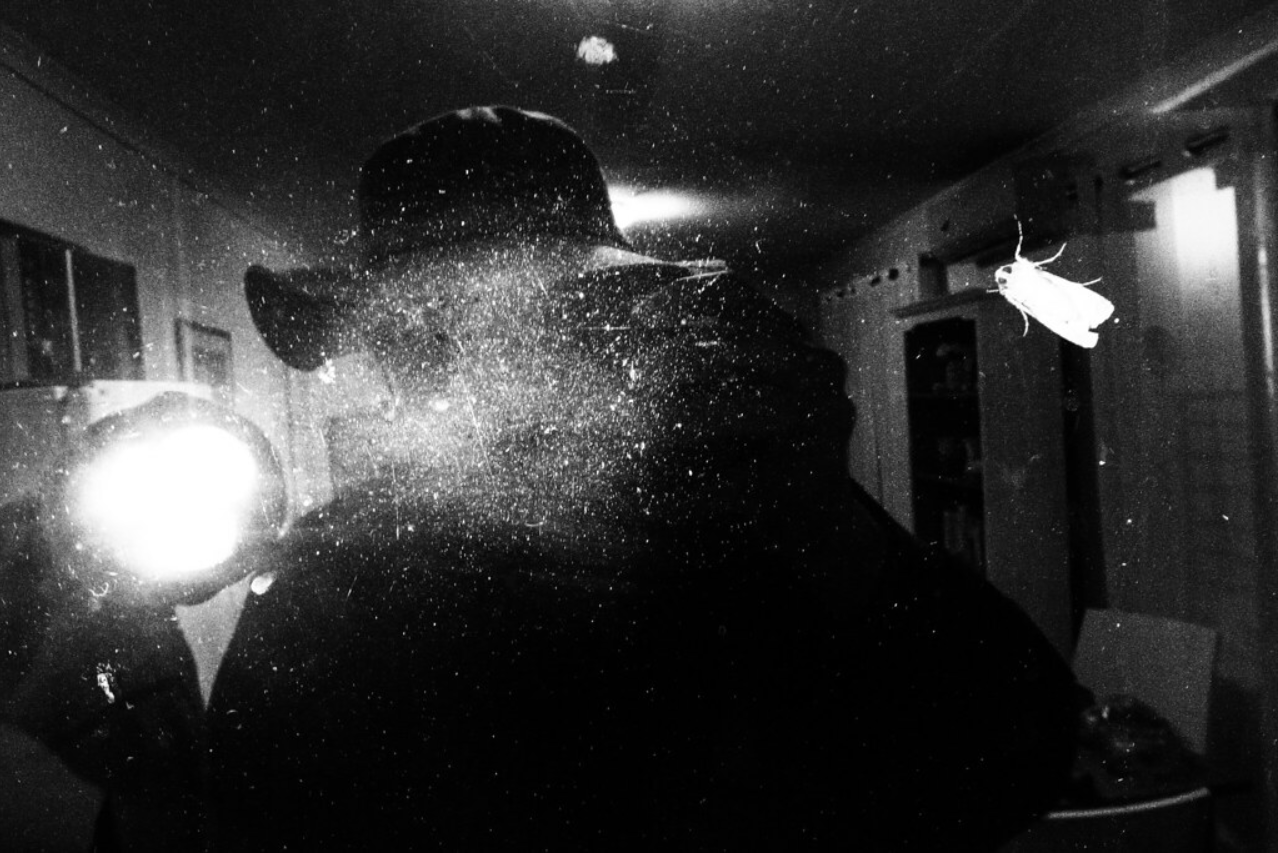
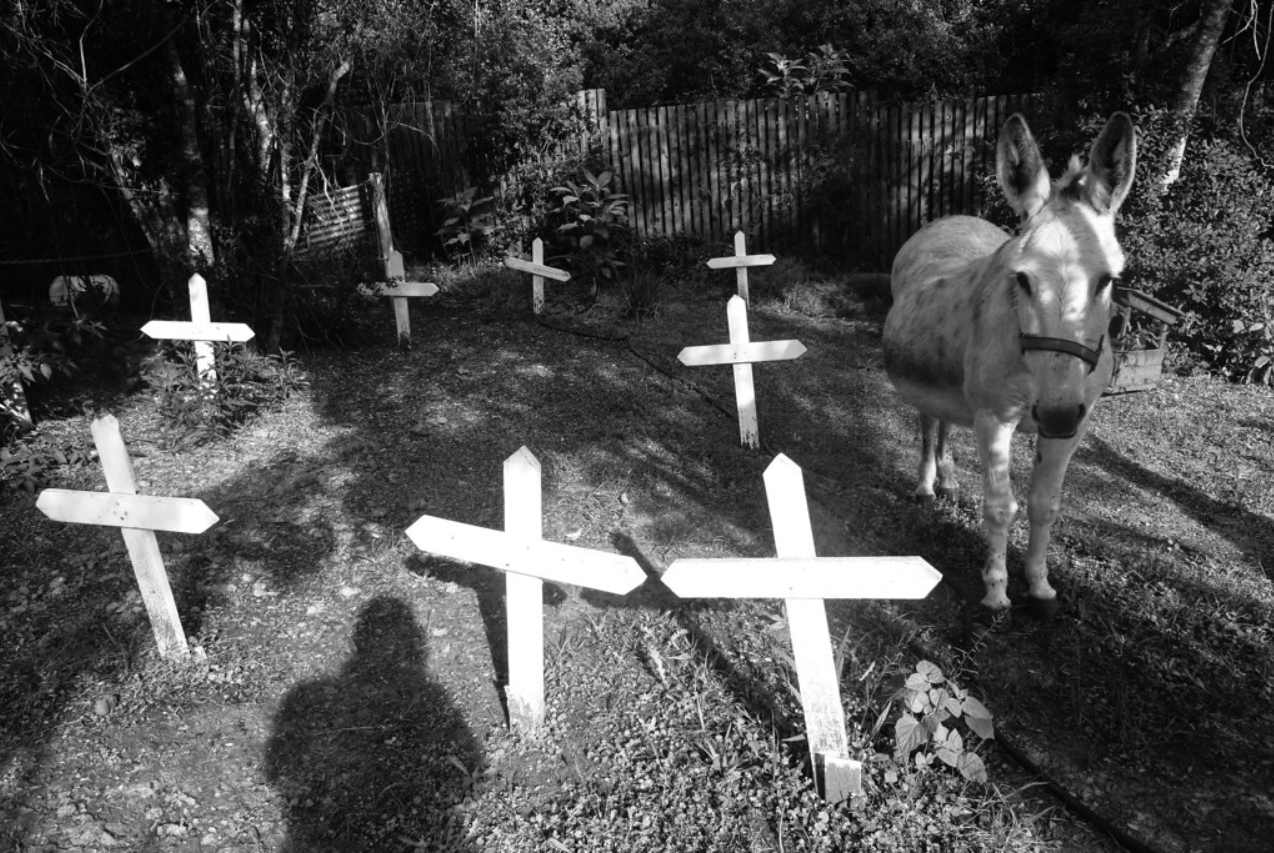
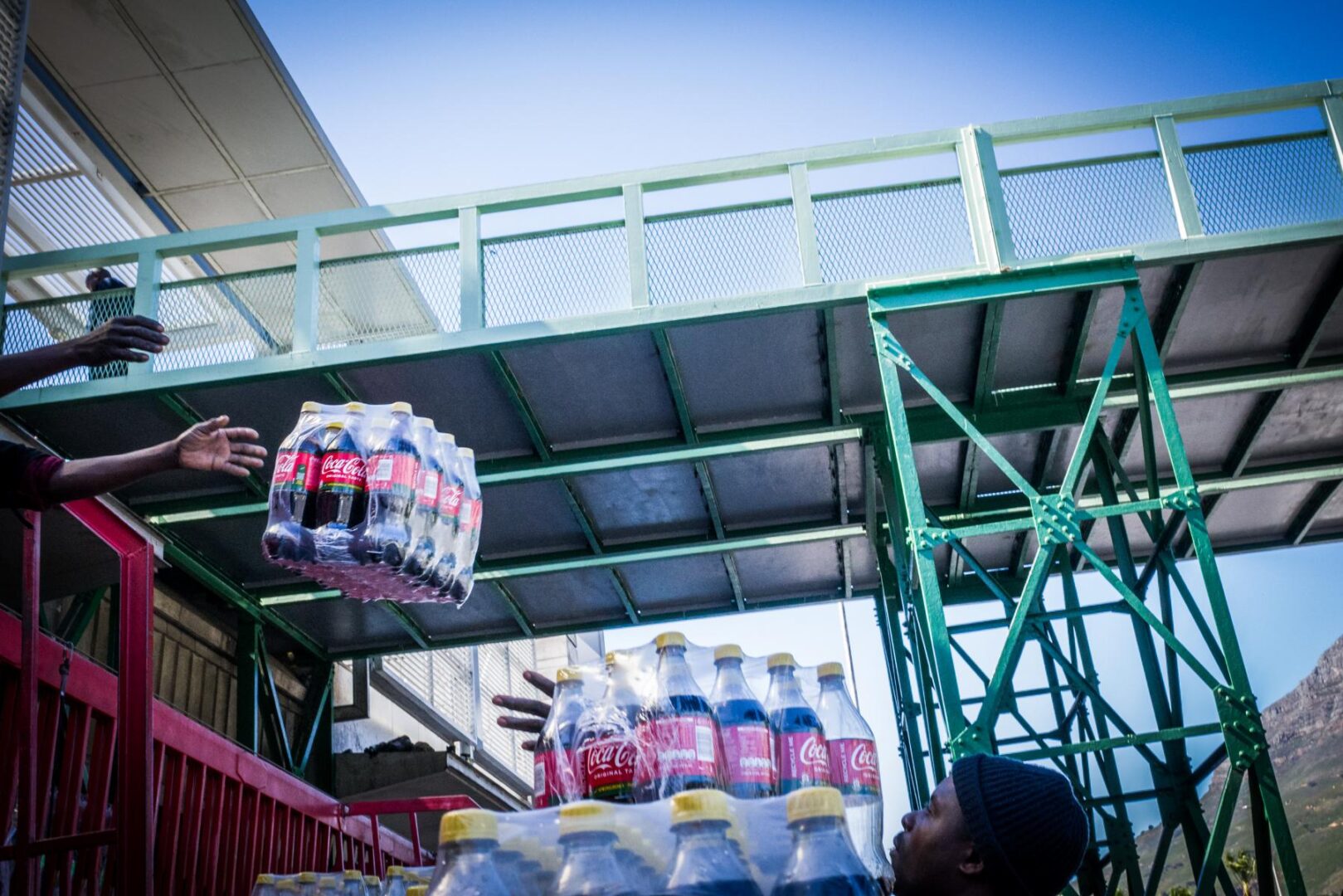
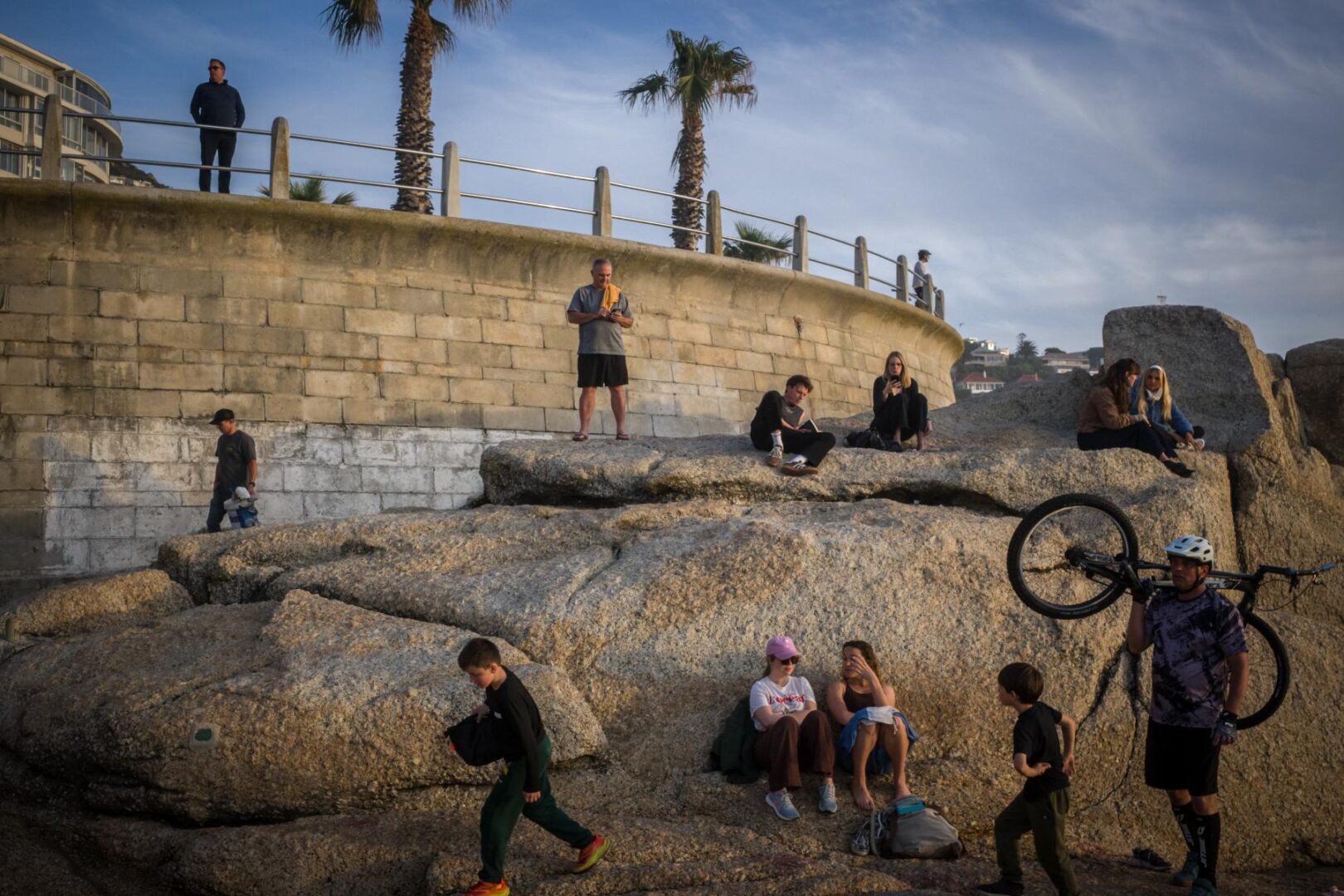
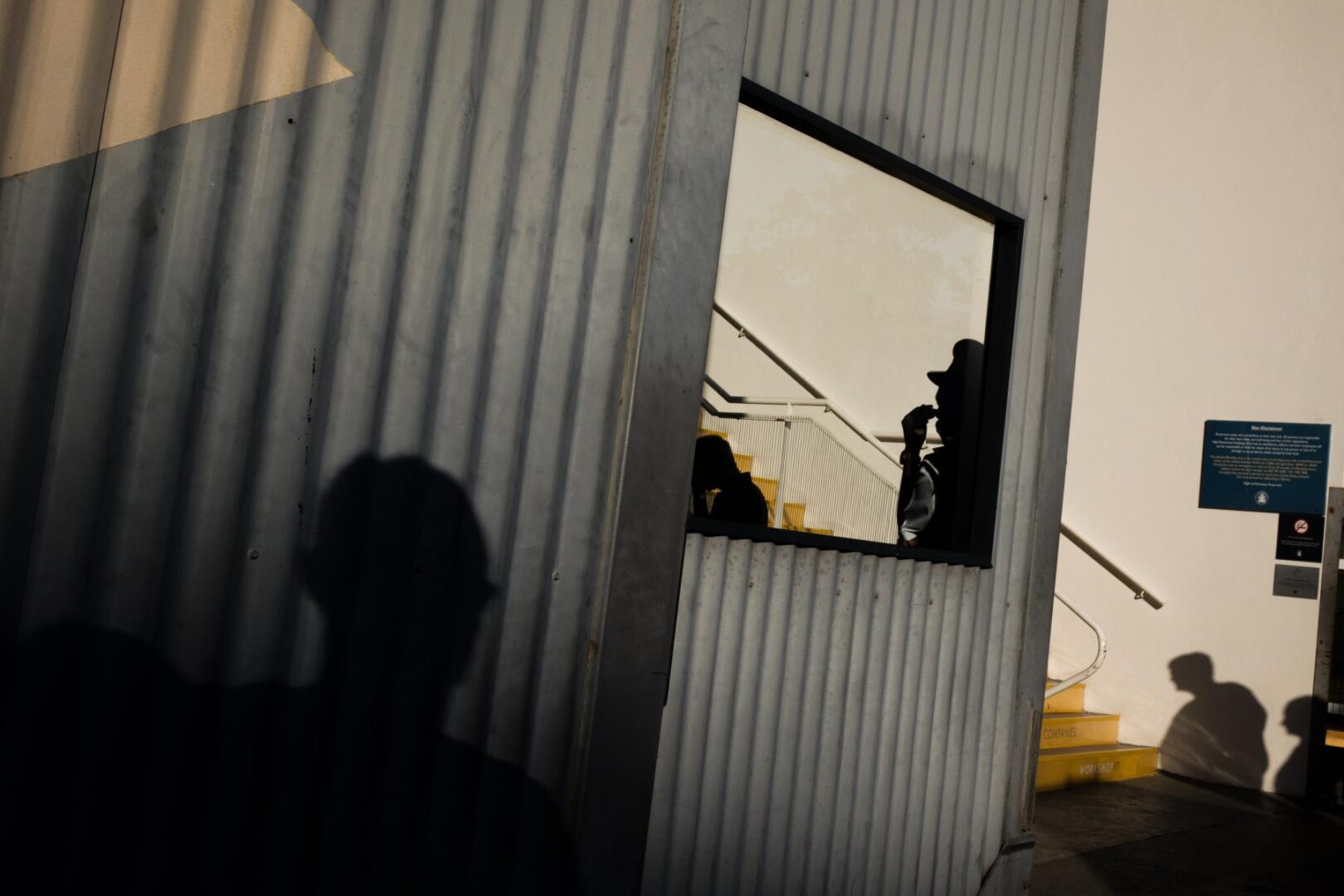
What can I say to round off my thoughts on Cape Town? Is it easy to do street photography there? I don’t know. It’s a far cry from Asian countries. I don’t think Africa, generally speaking, looks like an easy place to photograph. Whilst I feel at ease and uninhibited in Asia, I don’t feel quite as confident in Africa. Doing street photography on Réunion Island, in Nosy Be or in Cape Town seems more complicated to me. People’s reactions to the camera make things less straightforward. But Cape Town really is a beautiful city. You almost always have an amazing backdrop with Table Mountain, Lion’s Head or the sea. Going out to take photos by the sea at the beaches around Camps Bay, Sea Point, Kalk Bay and Hout Bay is a real treat. There, in winter, there wasn’t much going on, but in the height of summer, I can imagine it’s an incredible playground for a street photographer. I’ll leave you with a slideshow of photos taken during this street photography trip.
All the photos were taken with the Ricoh GR IV and the GR III.

Amazing story about the meet up (and your pre search) with Paul 🙂
Good to see you are still shooting and doing great. Hope u had an amazing time in Cape Town.
If u ever around The Netherlands give me a shout out